Our Process
How Steel Structures Are Built
Steel structures require a level of planning, fabrication, and execution that goes well beyond surface-level construction. Whether the project involves a pergola system, stair assembly, patio structure, or architectural steel element, each build begins with precise measurements and an understanding of load paths, attachment points, and site conditions. Accuracy at this stage is critical, as steel components are fabricated to exact tolerances and do not allow for on-site correction once finished.
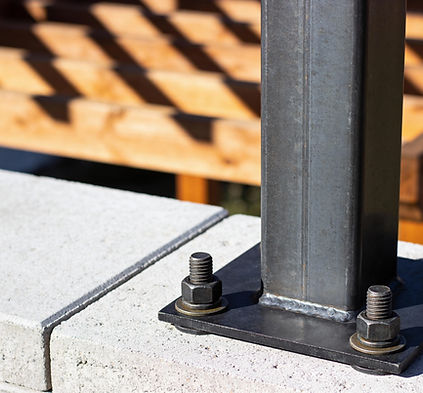
Fabrication typically involves cutting, fitting, and welding structural steel components to create a complete assembly. Welds must be consistent, properly penetrated, and placed with long-term performance in mind. Depending on the application, stainless steel hardware may be specified to ensure corrosion resistance and long service life, particularly in exposed outdoor environments.
Many steel structures require coordination with concrete work. Posts, stair systems, and load-bearing elements often attach to concrete footings or slabs that must be properly formed, reinforced, and cured before installation. These foundations are designed to support structural loads and ensure stability over time.
In some applications, steel components are paired with non-steel elements for functional or aesthetic reasons. Stair systems may incorporate decorative wood treads and risers instead of metal, and patio or pergola structures may integrate roofing, lighting, or other architectural materials. These combinations require careful planning to ensure compatibility between materials and secure attachment.
For projects receiving a powder-coated finish, assemblies are often dry-fit on site or in the shop to confirm alignment and fitment. Components are then disassembled, surface-prepped, powder coated, and returned for final installation. This process ensures a durable, uniform finish while maintaining proper tolerances during final assembly.
Steel construction is a deliberate process that prioritizes precision, sequencing, and long-term performance. Each phase—from measurement and fabrication to finishing and final installation—is executed with the understanding that steel structures are permanent systems designed to perform reliably for years, not temporary or improvised solutions.
-Landava Outdoors